What Affects The Cost Of Building On The Central Coast?
Building or renovating on the Central Coast can be an exciting investment — but one of the most common questions homeowners ask is: why do costs vary so much from project to project? Whether you’re planning a new build or a kitchen renovation, there’s no one-size-fits-all price.
The final cost depends on a range of factors, from design choices to site conditions and material selections. Understanding these variables can help you plan more effectively and make informed decisions before engaging home builders on the Central Coast.
Why Building Costs Vary So Much
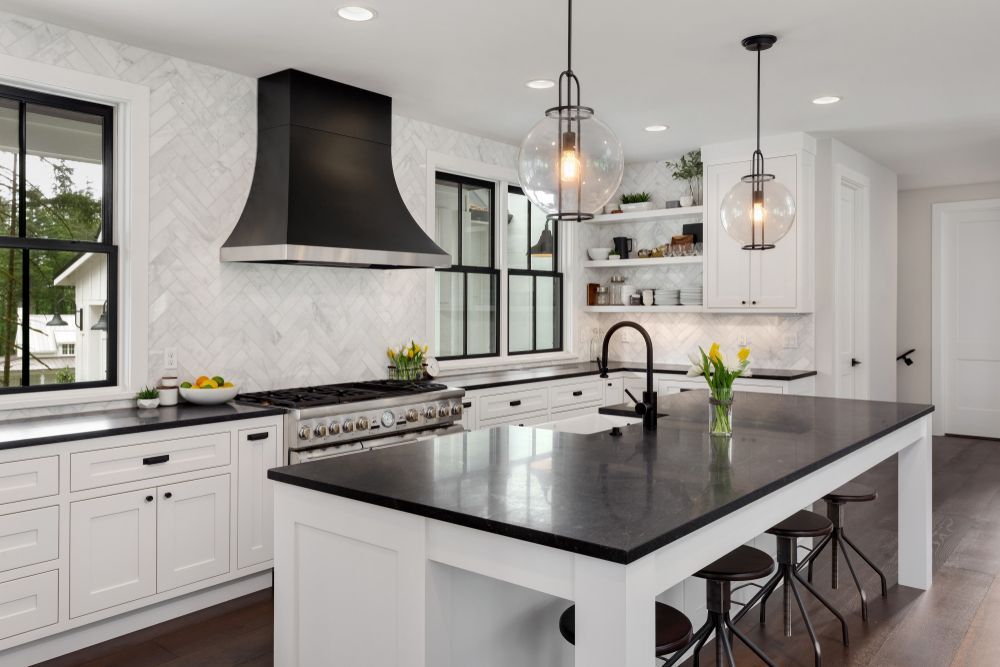
Every home and renovation project is unique. Even two kitchens of similar size can differ significantly in cost depending on layout, finishes and complexity.
Rather than focusing on fixed price estimates, it’s more useful to understand the key cost drivers that influence your overall investment. This approach allows you to align your budget with your priorities and avoid unexpected expenses.
1. Size and Scope of the Project
One of the most obvious factors affecting cost is the size of the build or renovation.
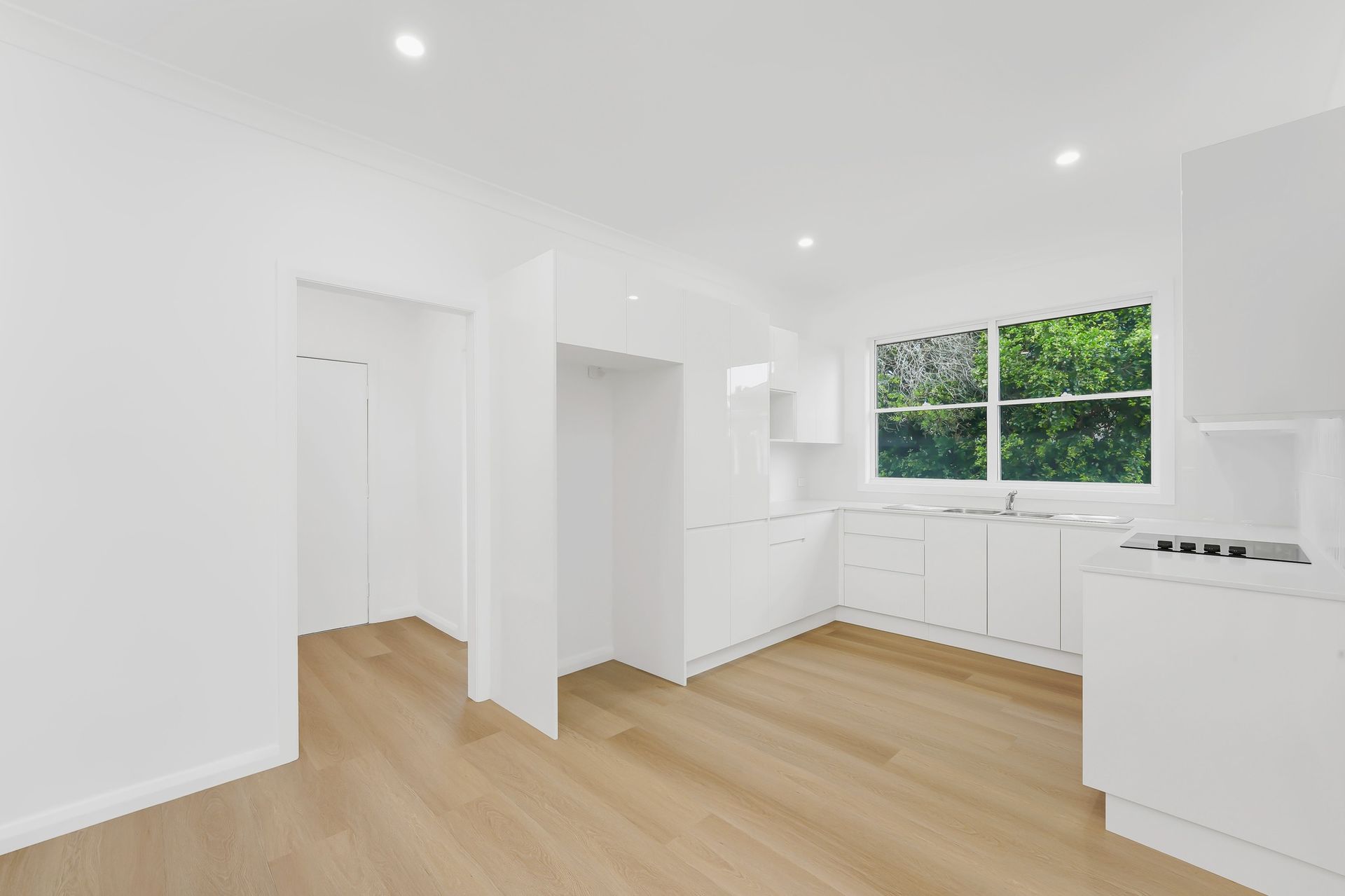
Kitchen Size Matters
- Larger kitchens require more materials, cabinetry and labour
- Smaller kitchens may cost less overall but can still be complex depending on the design
Scope of Work
Costs increase when your project goes beyond cosmetic updates. For example:
- Replacing cabinetry and benchtops is generally less expensive
- Full renovations involving layout changes, plumbing or structural work require more time and trades
Working with experienced home builders on the Central Coast helps ensure the scope of your project is clearly defined from the start.
2. Layout Changes and Structural Work
Changing the layout of your kitchen or home can significantly impact costs.
What Drives Costs Higher?
- Moving walls or removing structural elements
- Relocating plumbing or electrical points
- Reconfiguring the kitchen layout
These changes often require additional trades, approvals and engineering considerations.
When Layout Changes Add Value
While layout changes can increase upfront costs, they can also improve:
- Functionality
- Flow of the space
- Long-term usability
Balancing cost with long-term benefits is an important part of planning.
3. Materials and Finishes
The materials you choose play a major role in the final cost of your project.
Common Material Choices
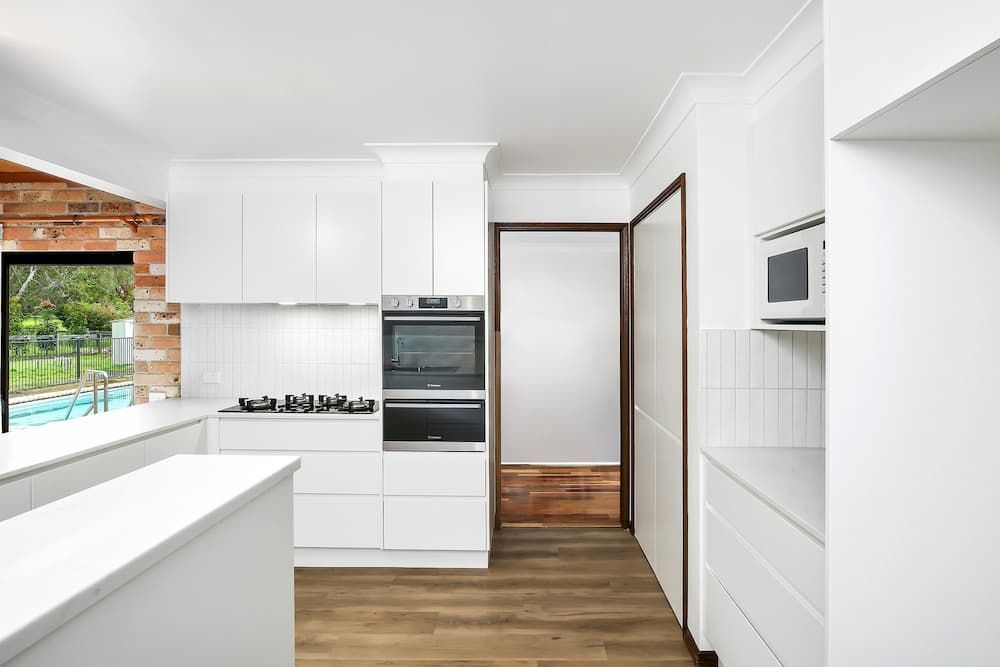
- Cabinet finishes (laminate, timber, custom joinery)
- Benchtops (stone, engineered surfaces, laminate)
- Splashbacks (tiles, glass, stone)
- Flooring options
Budget vs Premium Options
- Entry-level materials are more cost-effective but may have shorter lifespans
- Premium materials offer durability and visual appeal but come at a higher price
Custom finishes and high-end materials are a key reason why some
renovations cost more than others.
4. Appliances and Fixtures
Appliances are another variable that can significantly influence cost.
Key Considerations
- Standard vs premium appliances
- Integrated or custom-fitted appliances
- Energy efficiency and technology features
While high-end appliances increase upfront costs, they may offer long-term benefits in performance and energy savings.
5. Labour and Trades
Labour is a major component of any building or renovation project.
Trades Involved
- Carpenters and cabinet makers
- Electricians
- Plumbers
- Tilers and installers
Why Labour Costs Vary
- Complexity of the project
- Number of trades required
- Time required to complete the work
Engaging experienced home builders on the Central Coast ensures coordination between trades, helping avoid delays and additional costs.
6. Site Conditions and Access
The location and condition of your property can also affect building costs.
Factors That Influence Costs
- Limited site access for materials and equipment
- Sloping or uneven land
- Existing structures that need modification or removal
These factors can increase labour time and logistical requirements, particularly for larger projects.
7. Plumbing and Electrical Requirements
Kitchens and bathrooms are service-heavy areas, meaning plumbing and electrical work can significantly affect costs.
Cost Drivers Include:
- Relocating sinks, taps or appliances
- Upgrading electrical systems
- Installing new lighting or power points
Keeping services in their existing locations can help reduce costs, while major changes will increase the budget.
8. Custom Work vs Standard Solutions
One of the biggest differences in cost comes down to whether your project is standard or fully customised.
Standard Renovations
- Use pre-designed layouts and materials
- Generally more cost-effective
- Faster to complete
Custom Renovations
- Tailored to your space and lifestyle
- Involve bespoke cabinetry and design
- Require more time, planning and craftsmanship
Custom work typically costs more, but it delivers a unique result that is designed specifically for your needs.
9. Planning and Approvals
Depending on the scope of your project, approvals may be required.
This Can Include:
- Council approvals
- Building permits
- Engineering assessments
These steps can add both time and cost to your project, particularly for structural changes or extensions.
10. Balancing Cost, Quality and Value
One of the most important aspects of any building or renovation project is finding the right balance between cost and quality.
Key Considerations
- Choosing materials that suit your budget and lifestyle
- Investing in areas that add long-term value
- Avoiding unnecessary upgrades that don’t improve functionality
Working with trusted home builders on the Central Coast can help you prioritise the elements that matter most.
How to Plan a Realistic Kitchen Renovation Budget
Planning ahead is essential for managing costs effectively.
Practical Tips
- Define your goals and must-haves early
- Allow for contingency funds (typically 10–20%)
- Consider long-term value, not just upfront cost
- Seek professional advice before finalising plans
A clear budget helps guide decisions and reduces the risk of unexpected expenses.
When to Speak with a Builder
While research is helpful, the most accurate way to understand costs is to speak with a professional. A builder can:
- Assess your specific site and requirements
- Provide tailored advice
- Identify potential cost-saving opportunities
- Offer realistic project estimates
If you’re planning a renovation or new build, consulting experienced home builders on the Central Coast is an important step toward achieving a successful outcome.
Making Informed Building Decisions
Building or renovating on the Central Coast involves a range of factors that influence cost — from design choices and materials to labour and site conditions. By understanding these variables, you can approach your project with greater confidence and clarity.
Rather than focusing on fixed prices, consider the overall value of your investment. A well-planned project, guided by experienced professionals, can deliver a result that meets your needs, suits your budget and adds long-term value to your home.
With the right approach and support from trusted home builders on the Central Coast, you can create a space that is both functional and built to last. Contact Nique Building to get started.