Open Shelving vs Closed Cabinets: Which Works Best?
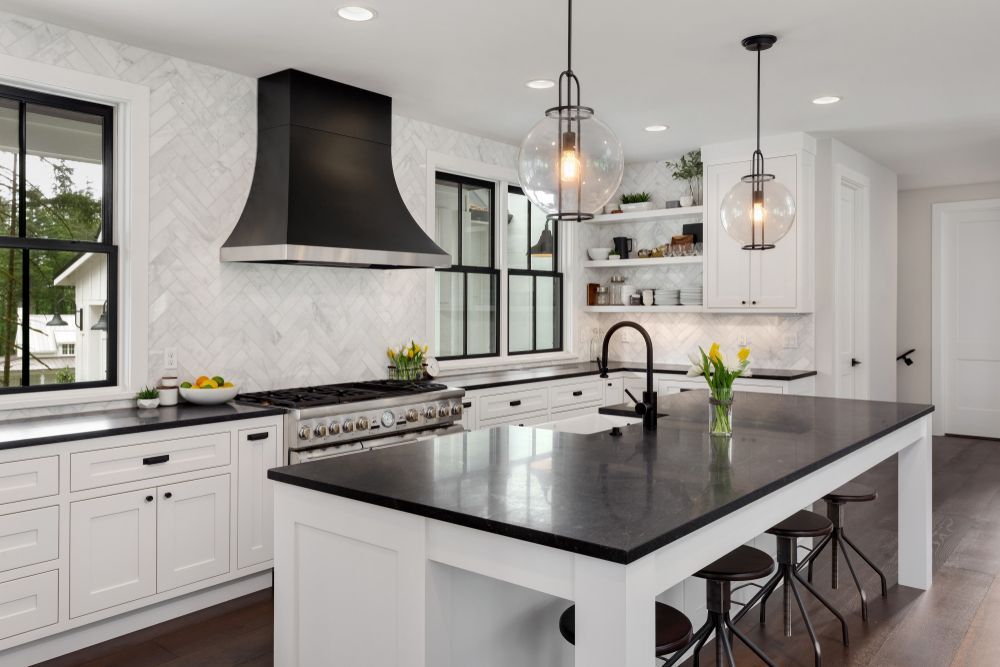
Few decisions shape a kitchen's look and feel as much as how you choose to store things. Open shelving shows off your best pieces and opens up a room, while closed cabinets keep clutter tucked away behind clean lines. Both have their place, and the right answer depends entirely on how you live, cook and entertain. A couple who loves hosting will use their kitchen very differently from a busy family juggling school lunches, and their storage should reflect that. If you're planning kitchen renovations on the Central Coast, understanding the trade-offs early helps you design a space that's as practical as it is good-looking, rather than chasing a trend that doesn't suit your daily routine. The best kitchens aren't the ones that follow fashion, they're the ones that make sense every single morning.
Open Shelving vs Closed Cabinets: What's the Difference?
The distinction comes down to how much you want on display. Open shelving leaves your crockery, glassware and everyday items visible and within easy reach. Closed cabinets hide everything behind doors, giving a streamlined finish and keeping dust and grease off your belongings. Most kitchens end up leaning one way, though plenty blend the two. The choice also affects the atmosphere of the room, since open shelves feel casual and lived-in while closed cabinetry reads as calm and considered. It's a decision worth making early, because it influences everything from your lighting to your splashback.
The core differences come down to:
- visibility, with open shelves on show and cabinets concealed.
- upkeep, since exposed items collect more dust and grease.
- flexibility, as shelves adapt more freely than fixed cabinetry.
Getting clear on this difference is the first step to a kitchen that suits you.
Pros & Cons of Open Shelving
Open shelving has surged in popularity, and it's easy to see why. It makes a kitchen feel larger and more relaxed, turns everyday items into part of the decor and puts what you use most within arm's reach. The catch is that everything is visible, which suits some households far better than others. It also invites you to be more intentional about what you own, since there's nowhere to hide the mismatched mugs and the appliances you never use.
Open shelving tends to work best when you:
- want to make a small kitchen feel more open and airy.
- enjoy displaying quality crockery, glassware or cookbooks.
- prefer quick, unobstructed access to daily essentials.
The honest downside is that shelves demand tidiness and regular cleaning to stay looking their best.
Pros & Cons of Closed Cabinets
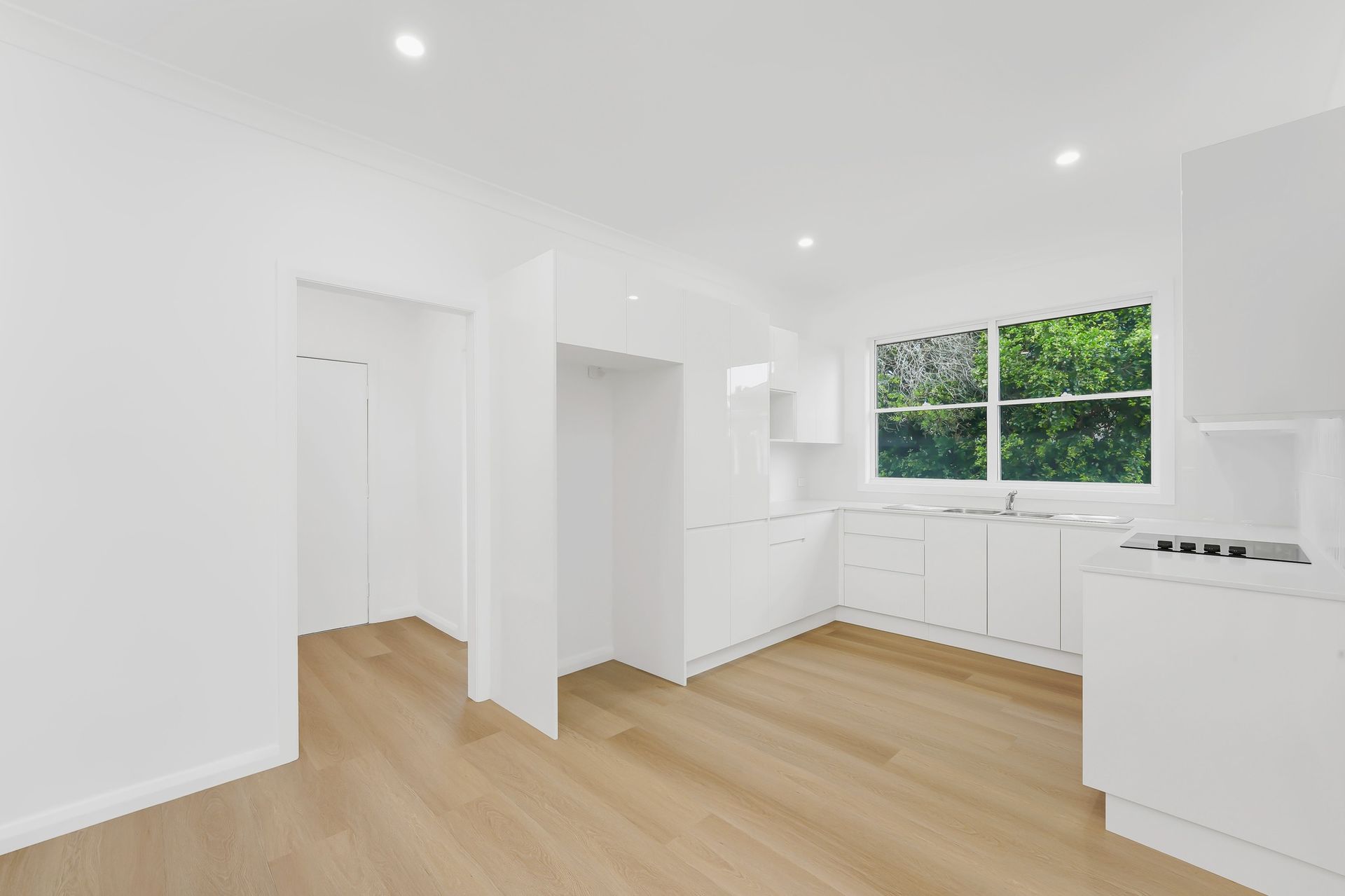
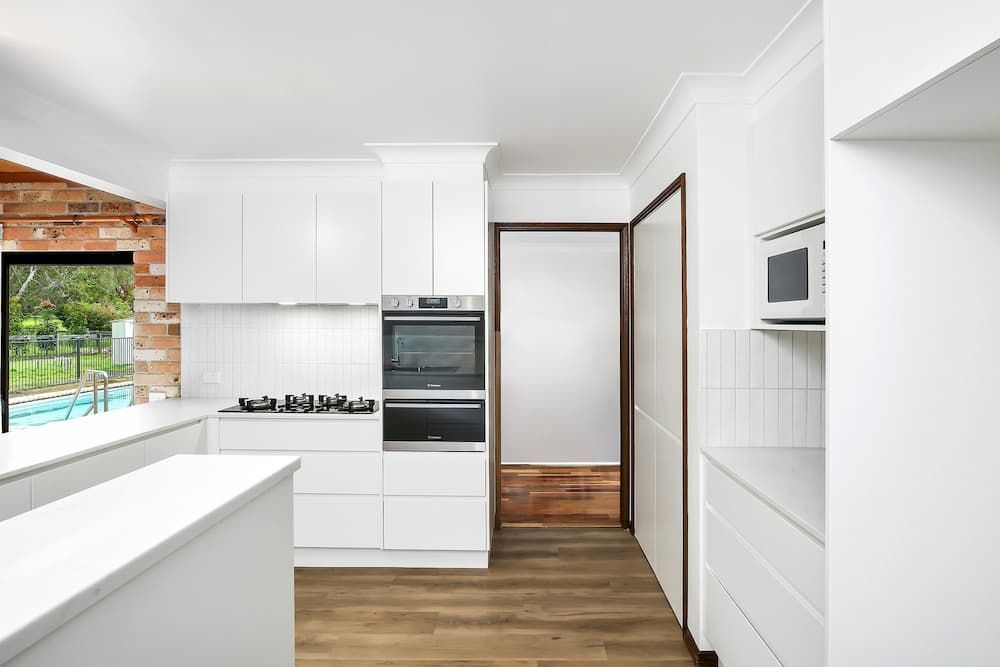
Closed cabinets remain the backbone of most kitchens for good reason. They hide the mess, protect contents from dust and steam, and give a calm, uniform appearance that never dates. The compromise is that they can feel heavier in a room and cost more to fit out with quality hardware and finishes. That said, the investment often pays off in longevity, as well-built cabinetry with soft-close hinges and durable fronts can outlast several changes of decor. They also give you enormous flexibility inside, with drawers, dividers and pull-outs that keep everything organised.
Closed cabinets suit you well if you:
- like a clean, uncluttered look with everything out of sight.
- store bulky, mismatched or infrequently used items.
- want to protect contents from grease, dust and moisture.
For families and busy households, that ability to simply shut the door is hard to beat.
How to Choose Based on Space, Lifestyle & Storage Needs
There's no universal winner, only what's right for your kitchen. A compact galley might benefit from a few open shelves to feel less boxed in, while a large family kitchen usually needs the concealed capacity of custom cabinetry. Your habits matter just as much as your square metreage. Good kitchen renovations on the Central Coast start with an honest look at how the room is actually used day to day. It's worth thinking about who cooks, how often you entertain and whether you're the type to keep surfaces clear or let things accumulate through the week.
The right balance usually depends on:
- how much storage you genuinely need for your household.
- whether you'll keep open shelves styled and tidy long-term.
- the overall look you want, from airy and casual to sleek and hidden.
Matching your storage to your real routines saves regret once the kitchen is finished.
Combining Open Shelving & Closed Cabinets Effectively
You don't have to pick a side. Some of the most functional kitchens use both, pairing the practicality of closed storage below with a run of open shelving above. This approach lets you hide the clutter while still showing off a few favourite pieces, giving you the best of both worlds when it's planned well. The key is restraint, since too much open shelving can tip a tidy kitchen into a cluttered one, while too little can leave the room feeling closed in and heavy. Placement matters too, with open shelves working beautifully around a window or a feature wall where they draw the eye.
A successful mix usually means:
- keeping heavy, bulky or messy items in lower closed cabinets.
- reserving open shelves for attractive, frequently used pieces.
- carrying finishes and colours across both for a cohesive look.
Balanced thoughtfully, the combination delivers style and storage without forcing a compromise.
Bringing Your Kitchen Vision to Life
We at Nique Building have helped countless homeowners across the Central Coast weigh up exactly these choices, and there's no substitute for advice tailored to your own space. Every kitchen we work on starts with a conversation about how you live, because the right storage solution on paper means little if it doesn't match your daily reality. We take the time to understand your budget, your style and the way your household moves through the space before a single design is drawn. Whether you're leaning toward open shelving, closed cabinetry or a blend of both, our team designs kitchen renovations on the Central Coast that balance the way you want your kitchen to look with the way you actually need it to work. If you're ready to start planning, get in touch with us today and we'll help you shape a kitchen you'll love for years to come.
Frequently Asked Questions
Is open shelving harder to keep clean than closed cabinets?
Yes, generally. Open shelves are exposed to dust, cooking grease and steam, so items on display need wiping down more often. Closed cabinets shield their contents, which means less frequent cleaning inside. If you cook regularly with oil or live near the coast where salt air is a factor, this is worth weighing up carefully.
Does open shelving make a small kitchen look bigger?
It can. Removing upper doors opens up sight lines and reduces the visual weight of the room, which helps a compact kitchen feel more spacious and less enclosed. Pairing shelves with lighter wall colours amplifies the effect further.
Are open shelves cheaper than closed cabinets?
Often, yes. Open shelving usually requires less material and hardware than full cabinetry with doors, hinges and internal fittings, though quality brackets and timber can narrow the gap. The savings also depend on how much of the kitchen you're fitting out this way.
Can I add open shelving to an existing kitchen?
In most cases, yes. Open shelves can often be introduced during a partial update rather than a full renovation, provided the wall structure can support the load. A builder can confirm what's feasible for your space and recommend the right fixings for the weight you plan to store.
Which option adds more value to a home?
Both can lift a kitchen's appeal when done well. Closed cabinets offer broad, lasting appeal for buyers who value storage, while a tasteful mix of open and closed elements often photographs well and feels current. What matters most to buyers is a kitchen that looks well finished and functions sensibly.