How To Ensure Quality Construction And Avoid Defects
A high-quality build is the result of hundreds of decisions, processes, and coordinated steps working together seamlessly. Whether it is a new home, renovations on the Central Coast, or a commercial project, the goal is always the same: a structure that is safe, durable, and built to perform well over time. Yet construction defects still occur, often because crucial details were overlooked during planning, material selection, or installation. These defects may start small, like hairline cracks, sticking doors, uneven flooring, but can grow into costly issues if the foundations of quality were not established from the beginning.
Understanding how to prevent defects empowers homeowners, builders, and project managers to make informed choices throughout every stage of the build. From early design considerations to final inspections, each part of the process influences the long-term success of the project. Below, we break down the essential factors that help ensure strong construction outcomes paired with fewer long-term issues.
1. Start Strong: How Detailed Planning Prevents Costly Building Defects
Quality construction begins long before any soil is turned. Thorough planning ensures that the structural design, site characteristics, material selection, and engineering requirements work together from the outset. Builders review architectural drawings, assess site gradients, check soil conditions, and coordinate with engineers to identify potential risks before construction begins.
This early preparation helps eliminate misaligned expectations or structural oversights that might otherwise appear later in the project. It also allows builders to anticipate where extra reinforcement or design modifications may be required. By investing time in pre-construction planning, homeowners ensure their build has a solid foundation of clarity, accuracy, and coordination across all trades and suppliers. It is this groundwork that sets the tone for a defect-free construction journey.
2. Why Quality Materials Matter More Than Most Homeowners Realise
Even the most skilled builder is limited by the quality of the materials they work with. Poor-quality materials can lead to defects such as water penetration, premature corrosion, structural weakness, or ongoing maintenance issues. Builders help clients navigate the many material options available and recommend certified products suited to the home’s purpose and site conditions.
High-grade materials also offer better performance over time, reducing the risk of failures under environmental or structural stress. When combined with correct installation, these products support long-term stability and protect the homeowner’s investment.
- Better durability and long-term performance
- Reduced risk of wear and failure
- Greater resistance to movement and moisture
Quality materials form a strong foundation for any property, especially when working with home builders Central Coast who prioritise proven products.
3. Skilled Builders and Trades Make All the Difference on Site
A home’s quality is ultimately shaped by the people who build it. Skilled trades and experienced builders understand not just how to construct a home, but how to anticipate challenges, choose the right techniques, and ensure every component performs as intended. Their craftsmanship reduces the likelihood of issues such as uneven surfaces, misaligned walls, or poorly sealed joins.
Builders also play a central role in coordinating trades to ensure each step is completed in the correct sequence. This supervision ensures that electricians, plumbers, carpenters, and other contractors work in harmony, preventing defects caused by overlapping or rushed tasks. With a trained and organised team, homeowners gain confidence that their build is being handled with skill and care by experienced
home builders on the Central Coast.
4. Inspections at Every Stage: A Practical Way to Catch Issues Early
No matter how well a project is planned, inspections throughout construction remain one of the strongest safeguards against defects. These structured reviews allow builders to identify concerns early, correct mistakes promptly, and verify that each component meets industry standards. Inspections also provide transparency for the homeowner, giving them reassurance that every part of the build is progressing as expected.
- Slab inspections to confirm correct depth, reinforcement, and curing
- Frame inspections to validate alignment and structural accuracy
- Waterproofing checks for bathrooms, balconies, and wet areas
- Final completion inspections to address all finishing details
Early detection is key to avoiding major problems. Regular inspections ensure builders maintain consistent quality while giving homeowners confidence in the finished product.
5. Preventing Defects Through Clear Communication and Documentation
Many building defects stem not from technical errors but from misunderstandings. Clear communication between the builder and homeowner ensures everyone is aligned on expectations, materials, finishes, timelines, and responsibilities. Builders use detailed contracts, written scopes of work, and ongoing updates to maintain transparency throughout the project.
Documenting variations, changes, or additional requests prevents confusion later on. When communication is proactive and transparent, the risks of incorrect installation or omitted details significantly reduce. This process builds trust and ensures smooth collaboration, allowing the construction team to deliver a consistent result that reflects the homeowner’s intentions.
6. Waterproofing Done Right: One of the Biggest Defect Prevention Tools
Waterproofing is one of the most common areas where defects occur, yet it is also one of the easiest to prevent with proper procedures. Bathrooms, laundries, kitchens, and balconies are all exposed to moisture, and a small waterproofing failure can quickly become a major issue.
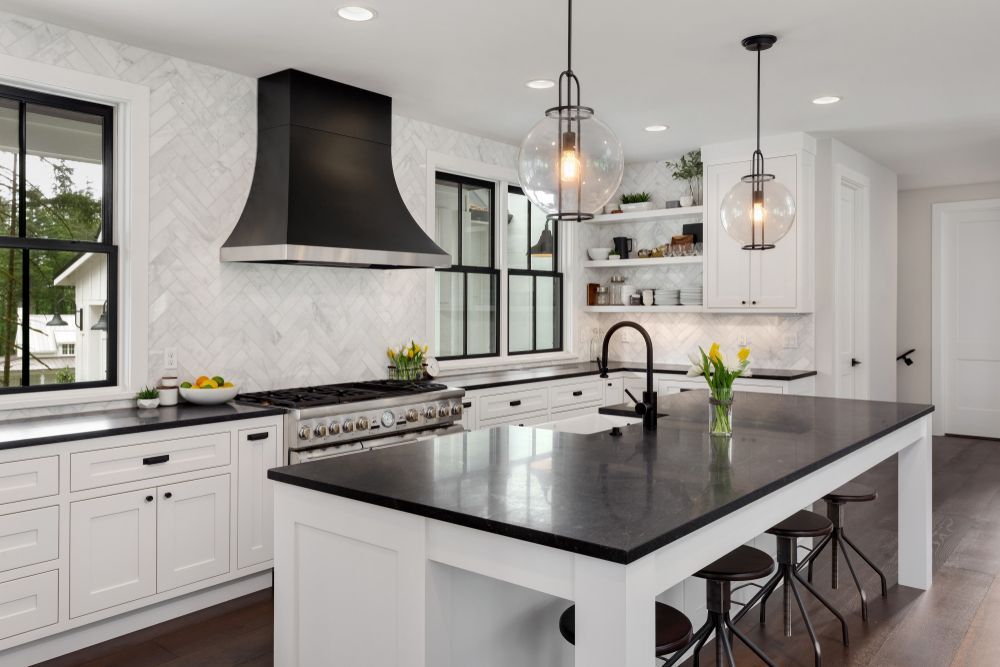
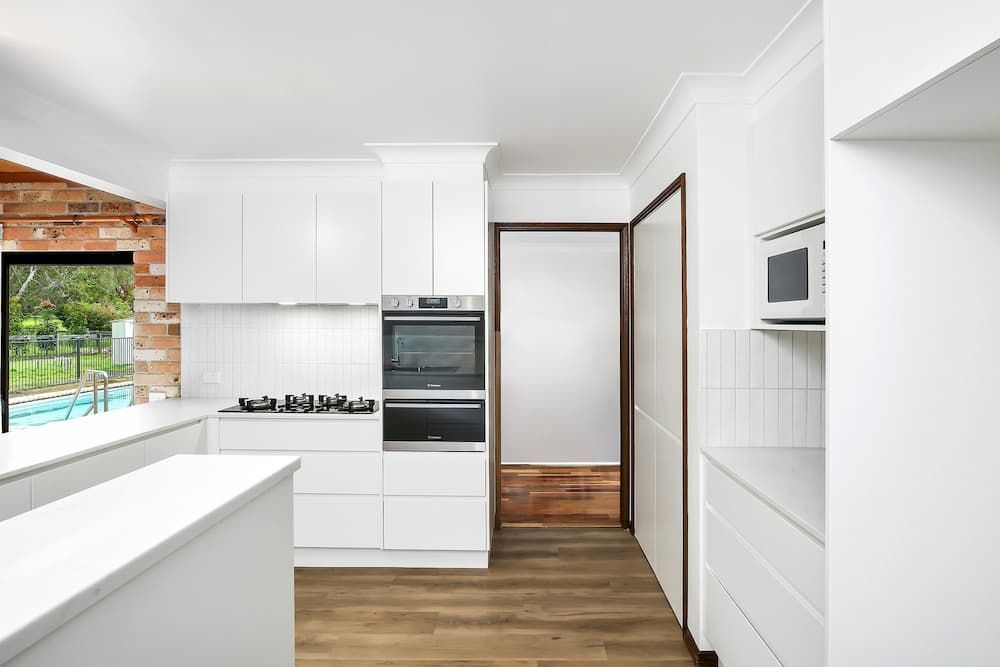
For projects such as kitchen renovations on the Central Coast, correct waterproofing and moisture protection are especially critical to prevent long-term structural and cabinetry damage.
To avoid problems such as mould, leaks, and structural damage, builders engage certified waterproofers who apply membranes correctly and ensure surfaces are prepared for tiling or cladding. Waterproofing systems must be installed to precise measurements and allowed to cure properly before any additional work is carried out.
- Prevents leaks and moisture intrusion
- Protects structural elements from long-term damage
- Reduces risk of mould and internal deterioration
Correct waterproofing contributes significantly to the safety and longevity of the home.
7. Structural Integrity Begins with a Proper Foundation and Framing System
The foundation and framing form the spine of any building, and any weaknesses at this stage can create significant defects down the line. Builders work closely with engineers to ensure the foundation is correctly designed for the site’s soil conditions, slope, and expected load. Precision in framing is equally important, as it influences wall alignment, roofing stability, and the overall lifespan of the home.
When foundation or framing issues occur, they often lead to visible problems later, such as cracking walls, sticky windows, and uneven floors. By focusing on accuracy and structural precision early in the project, builders protect the home’s long-term integrity and create a safe, stable structure that stands the test of time.
8. Final Quality Checks and Handover Processes That Protect Your Investment
As construction draws to a close, builders conduct detailed handover inspections to ensure every aspect of the home meets the agreed standard. This final review includes testing fixtures, inspecting finishes, verifying structural components, and identifying minor imperfections that need attention. Builders document any rectification work required and ensure each item is resolved before the formal handover.
A thorough handover process protects the homeowner by confirming that the project has been completed correctly and to a standard that supports long-term usability.
- Identifies minor defects and ensures they are rectified
- Confirms compliance with building plans and codes
- Allows homeowners to understand maintenance requirements
These checks ensure the project ends on a strong note and the home functions as intended from day one.
We at Nique Building understand the importance of working with trusted home builders on the Central Coast, especially with the area’s varied soil conditions and changing weather patterns. Our team focuses on detailed planning, clear communication, and reliable workmanship to help clients achieve durable, defect-resistant homes. Visit our website or contact our team and discuss how we can support your next building or renovation project.